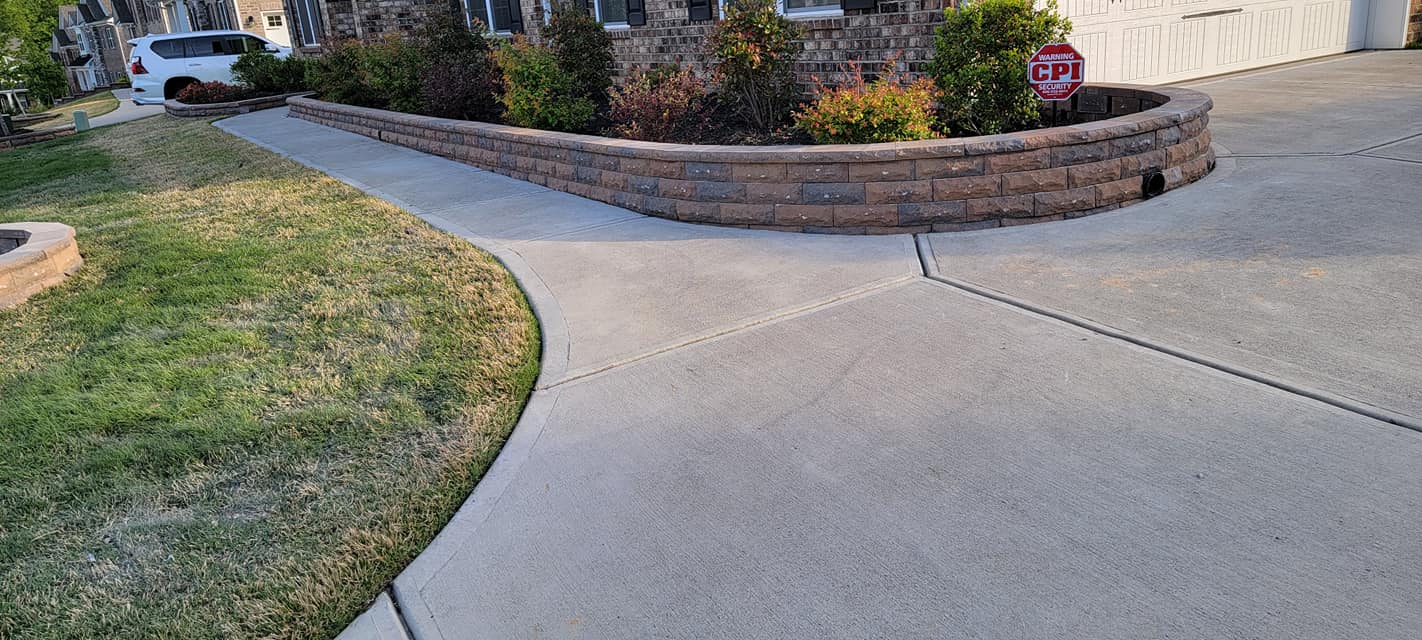
Seasonal Tips: Preparing Your Concrete Features for Winter Weather May 21, 2026
As the first snowfall approaches, fluctuating temperatures can cause significant damage to concrete surfaces. Freezing and thawing cycles lead to expansion and contraction, making the concrete susceptible to cracks and surface deterioration. Furthermore, the increased use of deicing chemicals can expedite the breakdown of concrete. Fortunately, there are several strategies you can employ to ensure your concrete remains in top condition throughout the cold months.
The process begins with a thorough cleaning. Debris, leaves, and dirt can trap moisture on the surface, accelerating damage. Use a pressure washer to remove all contaminants and allow the surface to dry completely. A clean surface not only prevents potential harm but also ensures that any sealants or protective coatings adhere properly.
Once cleaned, inspect your concrete for existing cracks or damage. Small cracks might not seem alarming, but they can expand significantly during the winter. Filling these cracks using a concrete crack sealant is an effective preventive measure. Ensure the application is done when temperatures are consistently above 50°F to ensure proper curing and bond strength.
Applying a water-repellent sealer is another crucial step. These sealers form a protective barrier, reducing water absorption that leads to cracking during freeze-thaw cycles. When selecting a sealer, opt for one specifically designed for freeze-thaw conditions. It’s best to apply the sealer during the fall when the weather is still mild, allowing it adequate time to cure before the cold sets in.
Deicing salts, while effective in managing ice, can severely harm your concrete surfaces. They cause the surface to pit and deteriorate over time. Consider using sand or cat litter instead, which provide traction without damaging the concrete. If salt is necessary, opt for products that are friendlier to concrete, such as those containing calcium magnesium acetate.
Regular maintenance is key throughout the winter. Keep your concrete surfaces clear of snow and ice whenever possible. Shoveling often and using a plastic shovel can prevent scraping or damaging the concrete's surface. Additionally, avoid using metal tools that might chip away at the protective layers or create grooves in the concrete.
In conclusion, preparing your concrete features for winter weather is a small but significant task that enhances durability and longevity. Following these seasonal tips from JD Hardscapes & Landscaping LLC will help you manage the effects of winter weather, ensuring your concrete surfaces remain attractive and functional for years to come. Take the time to invest in maintaining your concrete now, and enjoy the peace of mind of knowing your property is well-protected against whatever winter throws your way. If you have any questions or need professional assistance, do not hesitate to reach out to us for expert advice and service.
/filters:no_upscale()/filters:format(webp)/media/066c43c7-cc5f-4495-822a-14efe3467b25.jpeg)